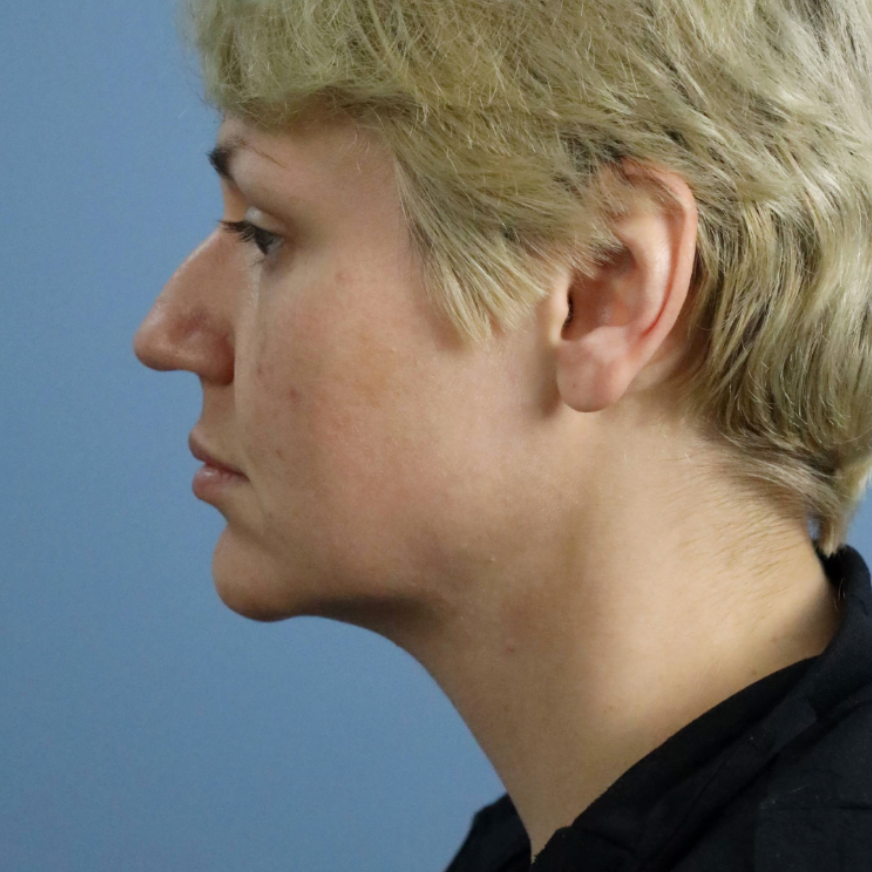
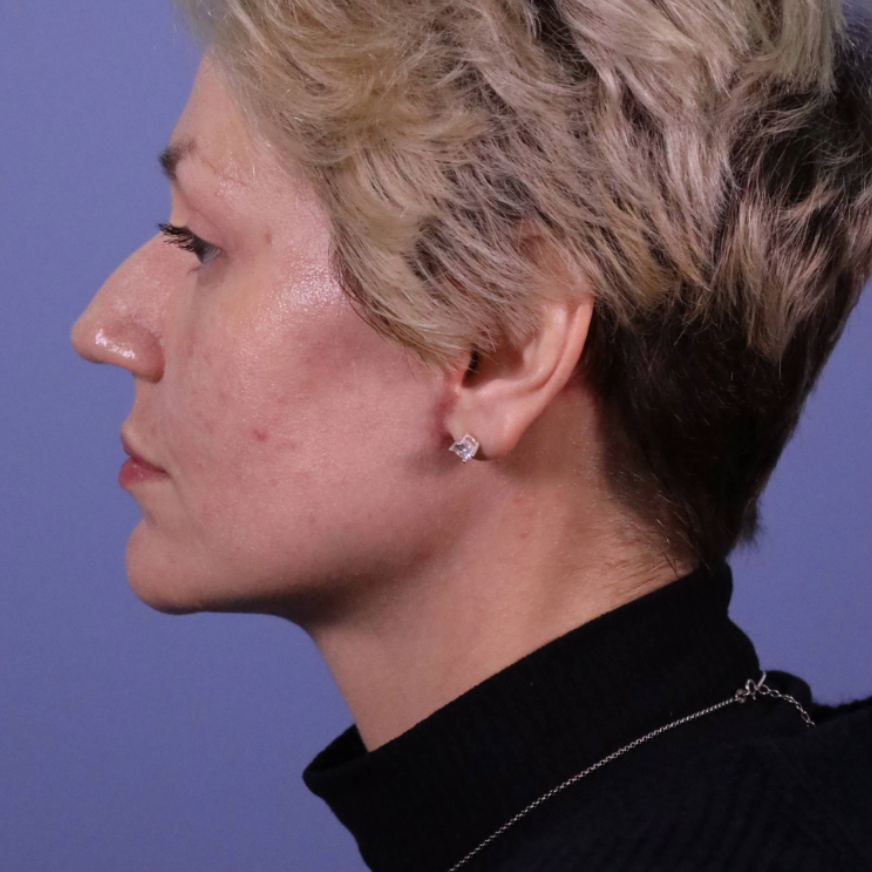
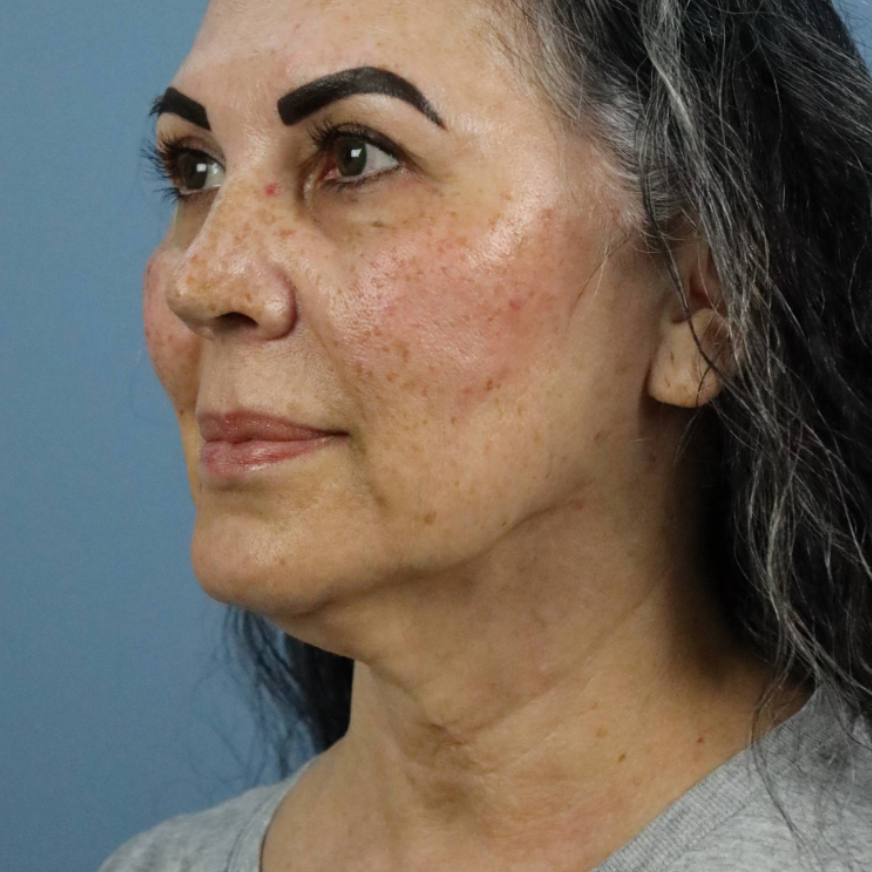
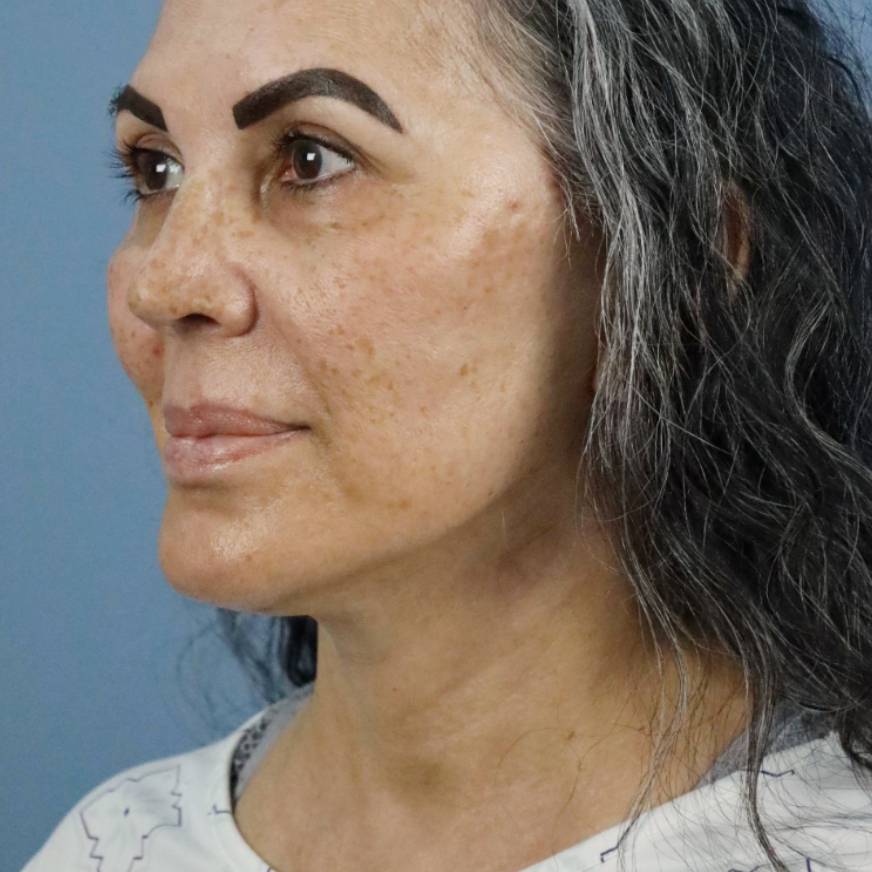
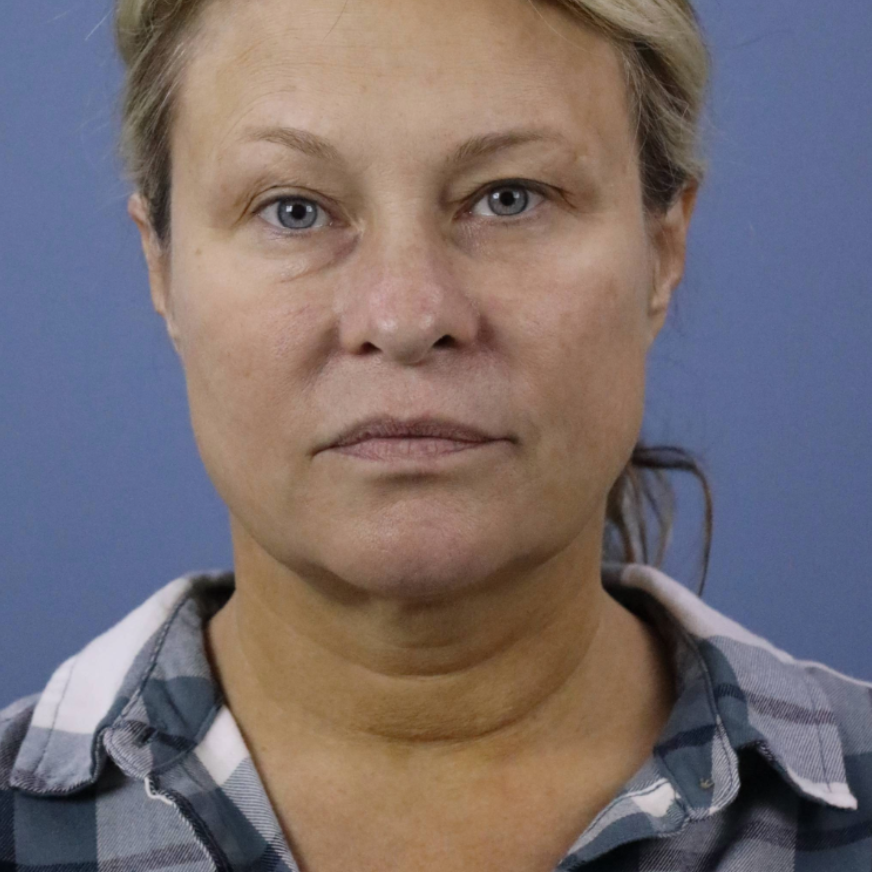
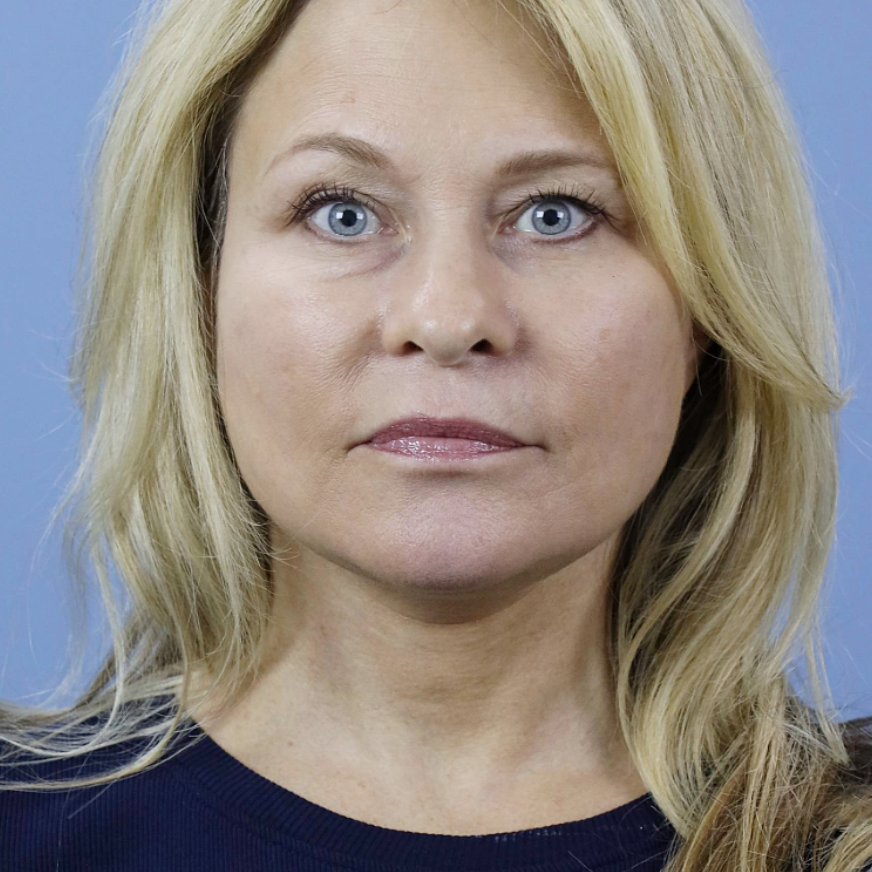

Acne is a common skin disorder affecting between 40-50 million people. While some individuals are lucky enough to outgrow this unfortunate skin condition, others continue to deal it into adulthood. For approximately 12 to 14 percent of the population, acne also creates psychological and social implications in the form of acne facial scarring and pitting left behind after the skin heals.
Until recently, dermatologists had little to offer patients dealing with acne facial scaring on the cheeks. In February, that changed when the FDA approved Bellafill, a non-resorbable dermal filler, for the treatment of acne scaring. The approval came after 12 months of clinical trials where humans assessed the effectiveness of the product and were observed for unintentional side effects. The clinical study included more than 250 patients with moderate to severe acne facial scarring. Formerly known as Artefill, the dermal injectable continues to be a go-to source for the correction of smile lines (nasolabial folds). To date, Bellafill is the only dermal filler approved to correct moderate to severe atrophic, distensible facial acne scars on the cheeks.
How Bellafill Treats Acne Facial Scarring
When used to treat patients age 21 and older, Bellafill provides a noticeable lift and smoothness to pitted areas of the face, creating a smoother complexion. The dermal injectable contains tiny polymethylmethacrylate (PMMA) microspheres so small they are almost invisible to the human eye. The PMMA microspheres mimic the body’s natural production of collagen, creating a matrix structure under the surface of the skin. Unlike dermal fillers that are absorbed by the body, Bellafill’s PMMA structure leaves behind a support system. The matrixes created by the PMMA replicate the structure of younger skin supported by the body’s natural collagen production.
Necessary Pre-Testing
Because Bellafill contains 80 percent bovine collagen, each patient must undergo a test to assess for skin sensitivity prior to beginning Bellafill treatment. If no sensitivity occurs, Dr. Vargas will assign a grade determined by the patient’s unique skin needs. Grades of Bellafill are ranked from 1 to 5 with Grade 1 equaling 1 syringe and Grade 5 being 4 syringes.
Contraindications for Bellafill Injections
- Current or planned desensitization to meat products
- Allergy to lidocaine (anesthetic in Bellafill)
- History of allergy to Bellafill, severe allergies, hypersensitivity or anaphylaxis
- History of allergy to a bovine collagen products
- Skin with tendency to scar formation (hypertrophic and keloid scars)
If a patient is deemed a good candidate for Bellafill, Dr. Vargas will begin injections on a conservative range. This allows her to observe the results of the injections over time. Patients can return to normal activity following the injection and should expect some temporary redness and swelling at the site. This will dissipate over time. Vargas Face and Skin is proud to be the premiere provider of Bellafill in Kansas and Missouri, and Dr. Vargas is a top injector at Bella Diamond.
At Vargas Face and Skin, Dr. Hannah Vargas is ready to address any surgical or non-surgical cosmetic interests you may have. Her primary focus is to help create a beautiful, natural outcome for your specific goals. If you wish to have an in-depth consultation with Dr. Vargas about QuickLift for men or any other cosmetic procedure, please click here to access our Contact Form page.
About Dr. Hannah Vargas
Facial Plastic Surgeon · Vargas Face & Skin Center
- Board certification
- American Board of Otolaryngology – Head and Neck Surgery (verify)
- Education and training
- Medical School, University of Vermont College of Medicine
- Internship and Residency, Head and Neck Surgery, Albany Medical Center
- MD, University of Vermont College of Medicine
- Memberships
- Fellow of the American College of Surgeons
- Awards
- Co-Chair – Kansas City Society of Ophthalmology and Otolaryngology Annual Conference – 2006
- American Medical Association Physician Recognition Award – 2004
- Albany Medical College Department of Otolaryngology Research Award – 2002, 2001, 2000
- Merck Educational Research Grant – 2001
- New England Otolaryngology Society Resident Research Grant – 2000
- New England Otolaryngology Society Award for best presentation – 2000, 1999
- Triological Society-Eastern Section Meeting Research award – 2000
- University of Vermont College of Medicine, Dept of Surgery James E. Demeules Research Prize – 1997
- University of Vermont College of Medicine Edward J. Layden, Sr., M.D. Medical Scholarship – 1992-1995, 1997
- NPI
- 1184620585