Otoplasty
Conveniently located to serve the areas of Kansas City, MO

Otoplasty, or ear surgery, is a surgical procedure that can improve the shape, angle, position, and overall appearance of the ears. It is ideal for patients who are experiencing structural defects of the ears, whether as a result of genetics, injury, and more.
Dr. Hannah Vargas, MD, F.A.C.S. specializes in facial plastics and leads Vargas Face and Skin Center with a goal of providing safety, convenience, and continuity of care to each patient. Her goal is to create a beautiful, more natural appearance by utilizing the latest technologies and advanced care in cosmetic and plastic surgery. If you are seeking to improve the appearance of your ears, contact us online or call our office at (913) 381-4900 to schedule your personal consultation.
Contents
- 1 Before and After Photos
- 2 About Otoplasty
- 3 Benefits
- 4 Candidates
- 5 Personal Consultation
- 6 Preparation
- 7 Procedure
- 8 Recovery
- 9 Results
- 10 Corresponding Procedures
- 11 Overview
- 12 Cost of Otoplasty in Prairie Village, KS
- 13 FAQ
- 13.1 What is otoplasty?
- 13.2 What are common procedures performed along with otoplasty?
- 13.3 Can otoplasty affect my hearing?
- 13.4 How is otoplasty performed?
- 13.5 How do you care for the area after otoplasty?
- 13.6 What is an earlobe repair/reduction?
- 13.7 How is ear repair/reduction performed?
- 13.8 What should I expect after the procedure?
- 13.9 How do I care for my treated area post-procedure?
- 13.10 Can my insurance cover this procedure?
- 14 References
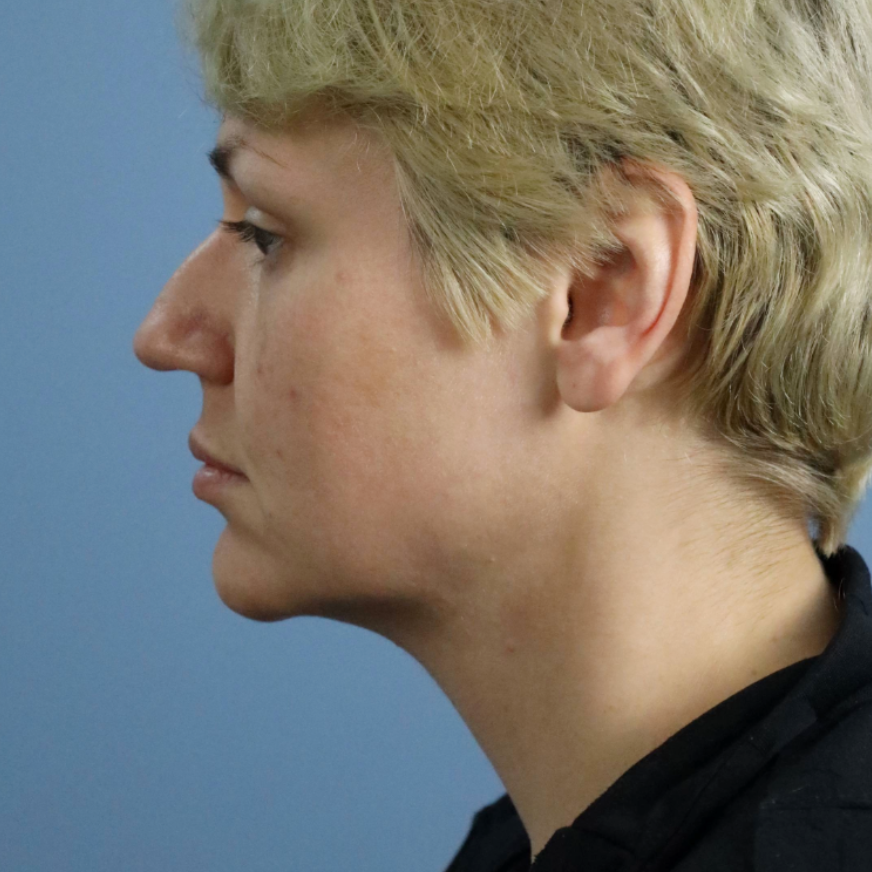
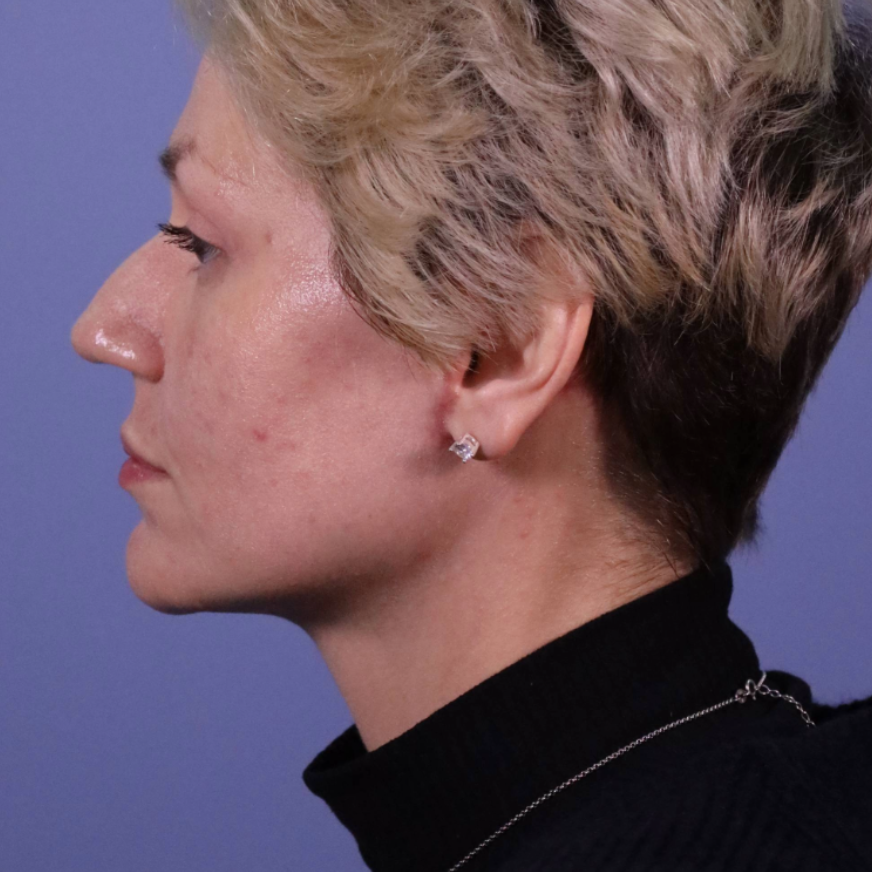
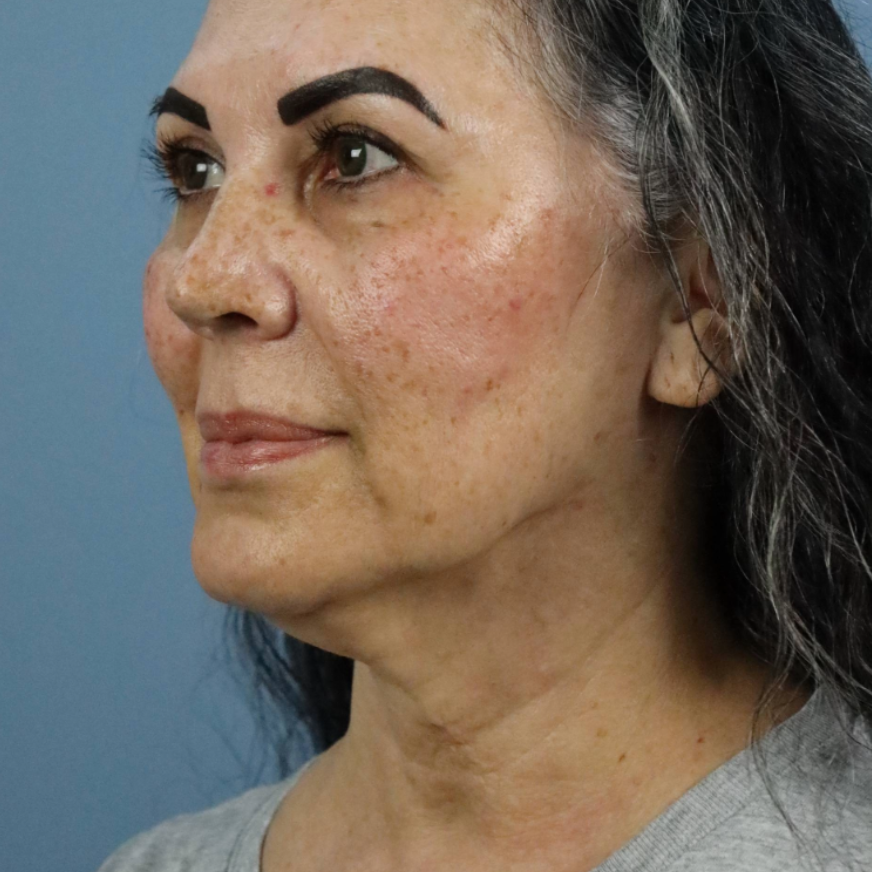
Before and After Photos


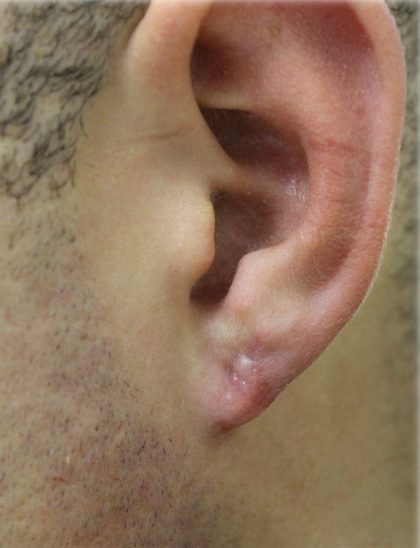
About Otoplasty
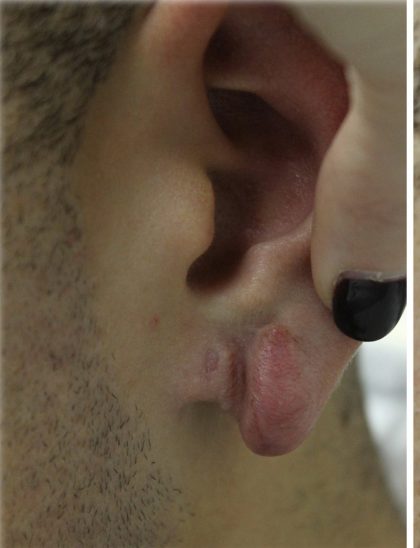
Otoplasty is an outpatient procedure that treats prominent ears that stick out too far from the head, ear deformities such as shapes present from birth, or damage from trauma. A standard ear procedure aims to improve the position of the ears to make them appear more normal and smaller and not stand out as much. Additionally, this procedure only involves the outer ear and has no impact on the inner ear structures that are responsible for hearing.
Benefits
Otoplasty can deliver permanent cosmetic improvements, facial balancing effects, and powerful psychological benefits. Notable outcomes include:
- Better proportion
- Injury repair
- Hidden scars
- Higher confidence
- Boost in self-esteem
Candidates
There are several different reasons as to why one would receive an otoplasty. The procedure is especially effective for addressing:
- Abnormally large or protruding ears
- The Cagot ear, or one in which little to no earlobe is present
- Overly large or stretched earlobes
- The shell ear, or one in which the curve in the outer rim or natural folds is missing
- The lop ear, or one in which the top appears to fold forward and downward
- Ears that are folded forward, much like those of a cat
- Ears that appear particularly small or underdeveloped
- Cauliflower ear, or one in which there has been repeated injury to the cartilage of the ear
To qualify for treatment, you must also be in relatively good health without any underlying conditions and have realistic expectations for your results.
Personal Consultation
During your personal consultation, Dr. Vargas will review your medical history, discuss your goals, and further examine your ear structure to determine the best approach for your otoplasty. She will also further explain your procedure in detail, discussing incision locations, anesthesia type, and recovery timeline. After gathering the necessary information, she will create a detailed cost outline for your procedure. Lastly, if you have any questions or concerns, Dr. Vargas will address them so you feel confident and comfortable proceeding with your transformation. If you are ready to explore otoplasty, contact us online or call our office at (913) 381-4900 to schedule your personal consultation.
Preparation
Effectively preparing for your otoplasty facilitates smooth treatment and an easy recovery. Dr. Vargas advises you to:
- Stop taking blood-thinning medications and supplements at least two weeks prior
- Thoroughly wash your hair and scalp the day of your procedure, but avoid styling your hair
- Wear loose-fitting clothing to your appointment
- Avoid wearing any makeup or accessories to your appointment
- Arrange transportation back home and assistant care for at least 24 hours
- Avoid alcohol consumption
Procedure
At the beginning of your procedure, you will receive the appropriate anesthesia to reduce discomfort. Next, Dr. Vargas will make a small and discreet incision behind the ear in the natural fold where the ear meets the head. She will access the underlying cartilage and may trim or remove any excess, if needed to correct the ear’s shape. Once she corrects any deformities and pins back the ears, she will close the incision using dissolvable stitches that leave minimal and well-hidden scars. Your procedure will take about one to three hours, depending on the target concerns and their scale.
Recovery
The recovery from otoplasty will take approximately four to eight weeks for initial healing. For the first three days, you must continue to wear your headbandage to protect your ears and keep your head elevated to minimize swelling. After the first week, you will have your first follow-up appointment with Dr. Vargas, where she may remove the initial bandages, may transition you to wearing a soft headband only at nighttime, and may allow you to return to your desk work and light movement again. Within two weeks, visible swelling and bruising will fade significantly, but you must avoid heavy lifting and strenuous activities. You will notice final healing after three months, where your cartilage will completely stabilize in its new position and residual deep swelling will disappear and scars will soften.
Results
Otoplasty can provide permanent results that position the ears closer to the head, correct imperfections and deformities, and restore smooth contours. These positive changes can boost your self-esteem and self-confidence.
Corresponding Procedures
Vargas Face and Skin offers additional, in-office procedures for several other ear, face, and skin concerns. These procedures are commonly performed in-office under local anesthesia with minimal downtime. These include:
Earlobe Reduction
An earlobe reduction is a minor surgical procedure that removes excess soft tissue to resize, reshape, and rebalance overly large earlobes.
Earlobe Repair (for ripped piercings and stretched gauges)
An earlobe repair cuts away scar or stretched tissue and stitches the lobe back together to restore a natural shape.
Gauge Repair
A gauge repair is a surgical procedure that reconstructs an earlobe that is stretched or torn by body piercing plugs.
Lesion Removal
Lesion removal involves shaving, cutting, or freezing abnormal growths or potential skin cancers that may appear on the surface of your skin, including your ears.
Overview
The decision to have elective ear surgery is highly individualized. There are many cosmetic benefits associated with otoplasty or ear surgery. Your in-depth consultation with Dr. Vargas will involve an extensive exam of your ears, and measurements and photos may be taken at this time as well. If the candidate is a child, the parent is instructed to wait until the child’s ears are nearly fully developed before undergoing surgery (usually around the age of five to seven), as the softer cartilage of a child’s ear does not provide the same molding capacity as that of an adult.
“I was fortunate to find Dr. Vargas… Dr. Vargas and her staff were always pleasant and made me feel comfortable throughout the entire process. My ears look so much better!”
Cost of Otoplasty in Prairie Village, KS
The total cost of your otoplasty will vary depending on the severity of your ear concerns, the techniques Dr. Vargas will utilize, and whether you include any other procedures. She will provide you with a detailed cost outline during your personal consultation. Contact us online or call our office at (913) 381-4900 to schedule an appointment today!
FAQ
What is otoplasty?
Otoplasty refers to ear surgery, or ear pinning. Most often, patients come in with complaints of protruding ears that they want lying closer to the head. This is a common procedure among children as well as adults, although the ears must be fully developed, which usually occurs at age five to seven.
What are common procedures performed along with otoplasty?
There are many facial cosmetic procedures that can be performed at once. Patients may add an earlobe reduction if they are concerned with the size of the ears.
Can otoplasty affect my hearing?
No, changing the shape of your ears will not result in any noticeable change in hearing. This procedure only alters the outer part of the ears, the pinna.
How is otoplasty performed?
Otoplasty is performed by sculpting the cartilage and then suturing it to anchor the ear in place during the healing process.
How do you care for the area after otoplasty?
After your otoplasty surgery, it is best to use cold compresses and take prescribed medication to reduce discomfort. You will also need to clean the area and wear the recommended garment until your one week post-op appointment.
What is an earlobe repair/reduction?
An earlobe reduction is for individuals wanting a reduction in the size of their lobes. A repair refers to damage due to earring holes that have stretched or pulled through and ripped the earlobe. Any form of repair can also be done for gauged ears when the patient no longer wants a large hole in their earlobes, alternatively, the shape of the earlobe can be changed with this procedure.
How is ear repair/reduction performed?
An ear repair/reduction is an in-office procedure. You will receive numbing in your ears, and Dr. Vargas will mark the ears before removing a wedge of tissue for both a reduction and a repair. Once the tissue is removed, sutures will be placed to close the lobe for optimal results.
What should I expect after the procedure?
Immediately after your procedure, you may experience tenderness in the area, which is a normal side effect. Sutures will then be removed anywhere from one to three weeks depending on the case.
How do I care for my treated area post-procedure?
You will need to clean and apply ointment to the area, avoid strenuous activity, optimize rest, and more. You may also take over-the-counter medications to assist with swelling and any discomfort.
Can my insurance cover this procedure?
Any procedure that addresses cosmetic needs is not usually covered by insurance. Special cases such as trauma may be reimbursed in part or whole. However, it is the patient’s responsibility for pre-approval of coverage and to process the claim for insurance.
References
- Kennedy KL, Katrib Z. Otoplasty. PubMed. 2021. Accessed September 14, 2026. https://www.ncbi.nlm.nih.gov/books/NBK538320/
- Kaleeny J D, Janis JE. Otoplasty Surgical Techniques and Clinical Outcomes: A Practical Review. Plastic and reconstructive surgery Global open. 2026;14(1):e7404. doi:10.1097/GOX.0000000000007404
- Kajosaari L, Pennanen J, Klockars T. Otoplasty for prominent ears – demographics and surgical timing in different populations. International Journal of Pediatric Otorhinolaryngology. 2017;100:52-56. doi:10.1016/j.ijporl.2017.06.014