Laser Resurfacing
Conveniently located to serve the areas of Kansas City, MO

Laser resurfacing is a cosmetic treatment that removes damaged outer layers of skin using focused beams of light to stimulate collagen growth and improve the skin’s look, feel, and texture. While most of us focus our attention primarily on our facial care, areas like the neck, chest, and hands receive just as much sun exposure and can display visible signs of aging just as quickly.
Dr. Hannah Vargas is board-certified in otolaryngology (head and neck surgery). She specializes in facial plastic surgery, focusing on the lower face and neck. At Vargas Face and Skin Center in Prairie Village, Kansas, she and her expert medical team offer a range of laser resurfacing options, from gentle peels with minimal downtime to deeper skin tightening treatments. Dr. Vargas prioritizes precision, excellence, and facial harmony to deliver natural-looking, refreshed results tailored to each patient’s unique aesthetic goals and anatomy.
To explore your laser resurfacing options, call our office at (913) 381-4900 or contact us online to schedule your complimentary personal consultation with Dr. Vargas today.
Contents
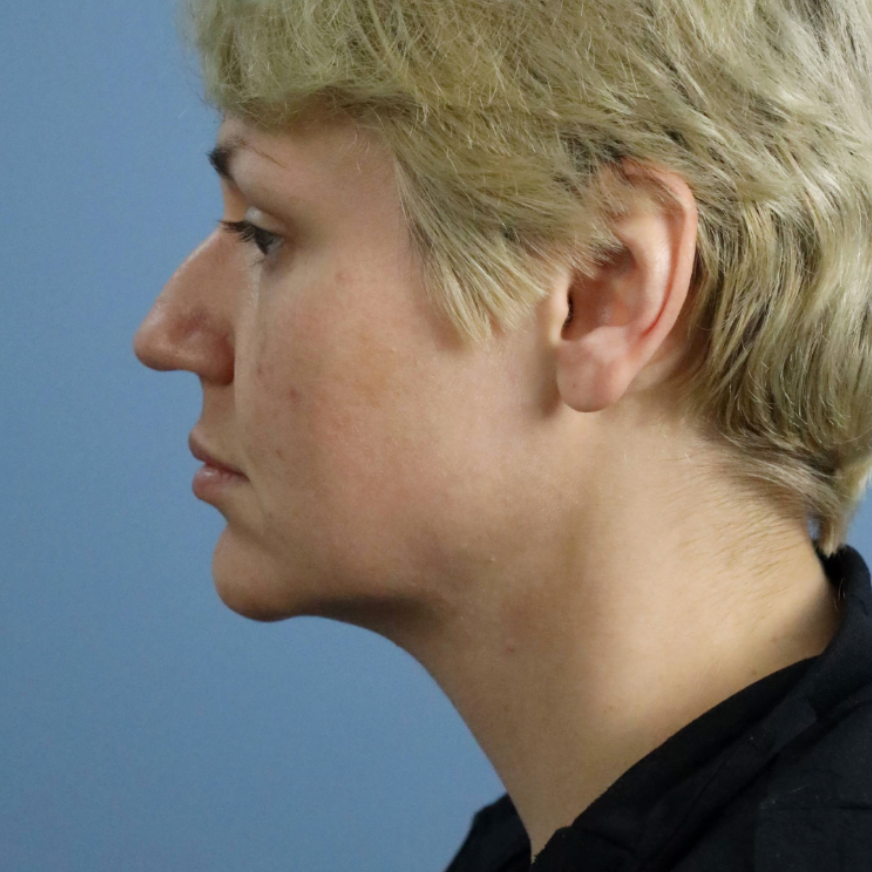
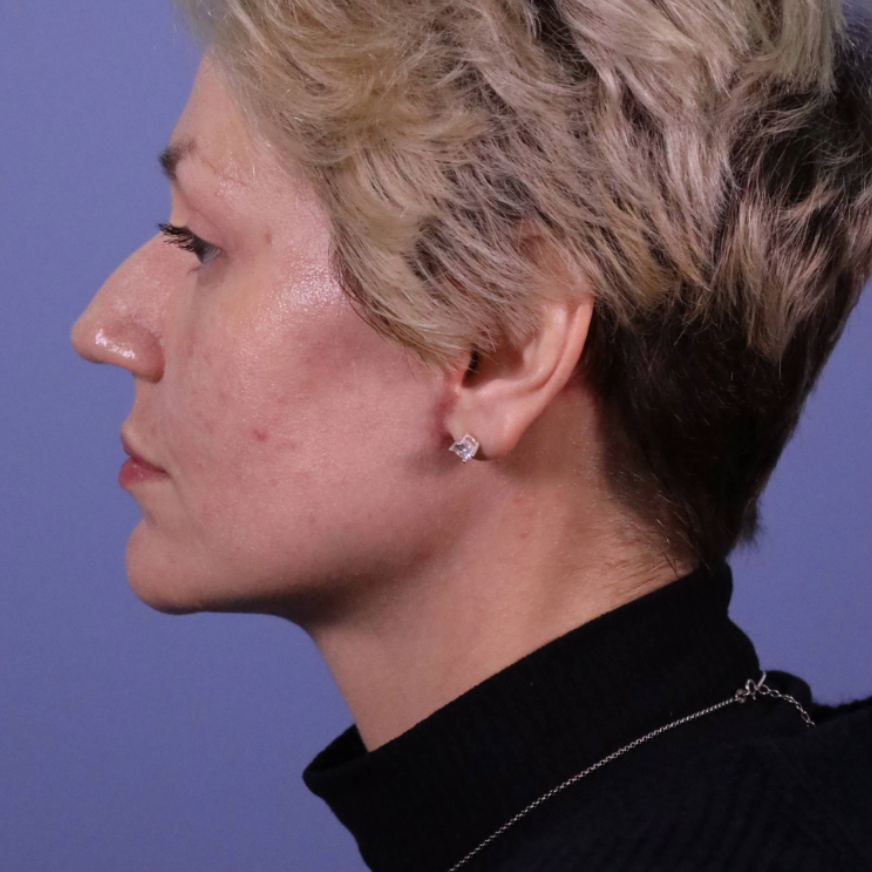
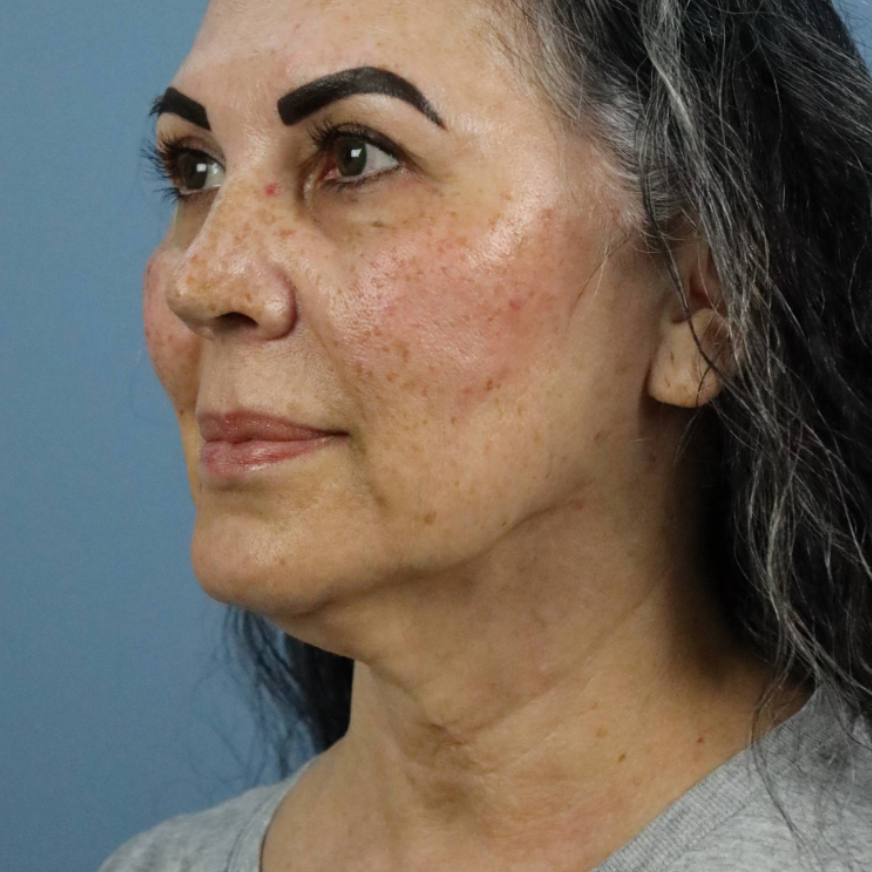
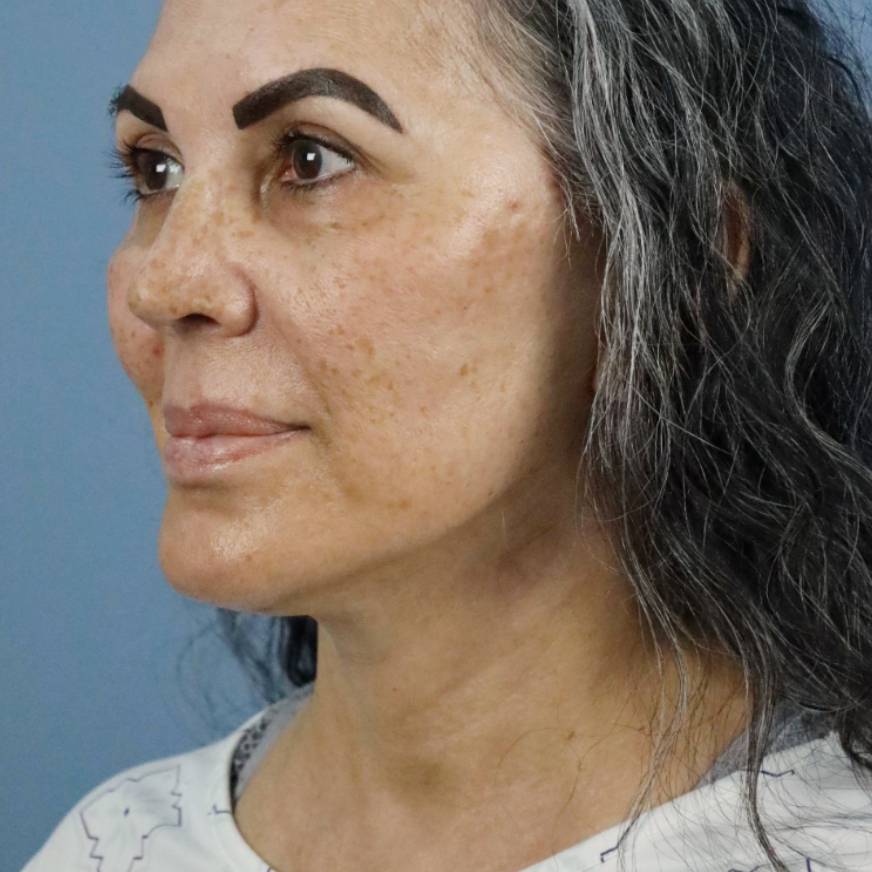
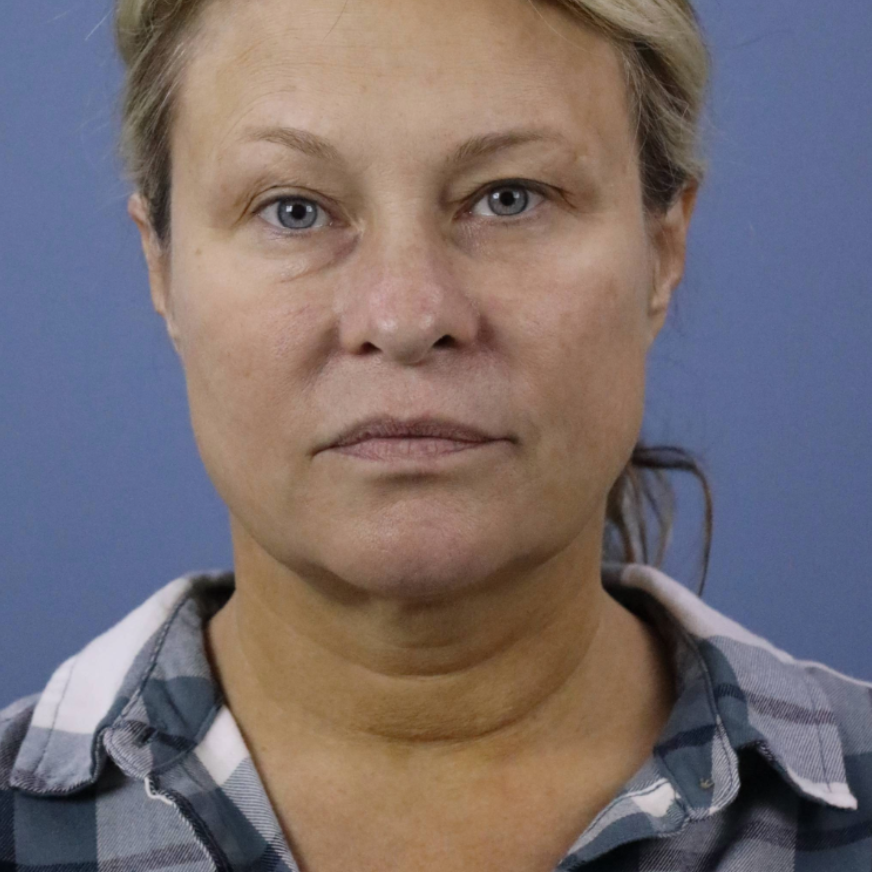
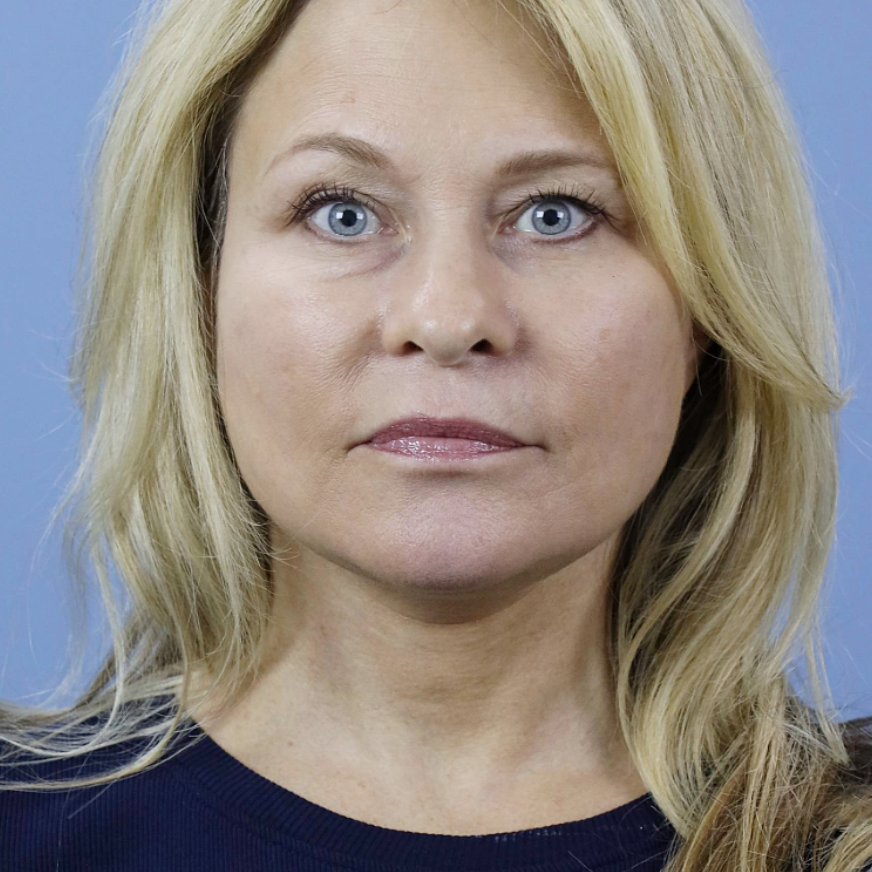
Before and After Photos


About Laser Resurfacing
Laser resurfacing uses controlled laser energy to remove damaged outer skin layers and heat deeper layers to stimulate new, firmer collagen growth. (1) As your skin heals, your body produces fresh collagen, the protein that keeps the skin tight and smooth.
Resurfacing methods differ primarily in their technique and the depth of tissue removal they target. Fractional laser therapy, such as ProFractional, treats only part of the skin to brighten tone and reduce discoloration with minimal downtime. In contrast, full-field resurfacing functions similarly to a peel by treating the entire skin surface. Both methods can be adjusted for depth. Lighter treatments smooth tone and texture offering minimal downtime, while deeper treatments minimize wrinkles and scarring with a longer recovery.
Regardless of which treatment patients receive, laser resurfacing can erase or reduce the damaging effects of aging, sun exposure, or environmental factors using different types of laser peel treatments. These treatments are: (1)
- Nano Laser Peel: A quick, in-office procedure that improves skin texture and tone by removing a very thin layer of damaged skin. As the gentlest full-field laser option, it requires minimal downtime, making it a quick way to refresh your complexion.
- Micro Laser Peel: A mid-level treatment that removes a controlled layer of dead and damaged cells from the skin’s surface. By removing these upper layers, it improves skin texture and actively stimulates the production of new skin cells.
- ProFractional Laser Treatment: An adjustable-depth fractional laser that treats microscopic columns of the skin to firm and restore targeted areas. This laser penetrates deeper into the skin layers to treat stubborn wrinkles and acne scars.
It is best to consult with our team to decide which is best for you. Recommendations are based on the patient’s needs, downtime, and budget.
Benefits
Laser resurfacing performed by Dr. Vargas offers numerous benefits, such as:
- Builds Firmer Skin: Lasers stimulate your skin to heal itself by creating fresh collagen and elastin, making it firmer, smoother, and tighter.
- Improved Skin Texture: Refines rough skin texture, minimizes the appearance of enlarged pores, and creates a more uniform complexion.
- Pigment Correction: By effectively breaking up concentrated melanin, it can fade sunspots, freckles, and discoloration caused by UV exposure.
- Wrinkle and Fine Line Reduction: Softens the appearance of expression lines, surface creases, and early signs of aging.
- High Precision and Personalization: Dr. Vargas can precisely adjust treatment depth and intensity to target each patient’s specific concerns, with predictable downtime.
Candidates
Ideal candidates for laser resurfacing are individuals in good overall health who want to address common skin concerns on the face, neck, chest, and hands. You may be an optimal candidate if you experience any of the following: (2)
- Skin Concerns: You wish to soften fine wrinkles around the eyes and mouth, smooth acne or chickenpox scars, or reduce sun spots, age spots, and blotchy discoloration.
- Elasticity and Skin Condition: You have skin that retains sufficient elasticity, a non-oily complexion, and no active skin conditions like severe acne, skin infections, or significant sagging.
- Skin Tone and Type: Deeper skin tones have more melanin, which reacts strongly to laser heat and can trigger post-inflammatory hyperpigmentation (PIH), causing lasting dark spots. While candidates with deeper complexions are not excluded from receiving treatment, Dr. Vargas may recommend gentler fractional settings or tailored alternatives to protect your skin tone.
Candidates must maintain realistic expectations about recovery timelines and results and commit to strict post-treatment sun protection. Our team will evaluate your skin and determine your candidacy during a personal consultation.
Personal Consultation
Before your laser resurfacing treatment, you will meet with Dr. Vargas for a personal consultation so she can understand your aesthetic goals and determine how best to help you. During your initial consultation, Dr. Vargas will review your medical and skin history, including sun exposure, smoking habits, medications, and any active skin conditions. She will then perform a comprehensive physical skin examination, evaluating your skin tone, texture, and concerns such as acne scars and fine lines. Based on this assessment, Dr. Vargas will determine whether full-field or fractional resurfacing is safe and develop a tailored treatment plan designed for your specific needs. To set realistic expectations, she will outline key procedure details, including recovery timeframes, potential risks, and pricing, and address any questions or concerns you may have.
Preparation
Properly preparing your skin and schedule for laser resurfacing helps minimize complications and speed healing. Once your treatment plan is established, Dr. Vargas will provide clear, detailed preoperative and post-care instructions tailored to your health profile, which typically include: (2)
- Strict Sun Protection: Avoid direct sun exposure, tanning beds, and self-tanners for two to four weeks before treatment and wear broad-spectrum SPF 30 to 50 daily to prevent permanent skin discoloration.
- Discontinue Retinoids and Acids: To protect your skin barrier, stop using all harsh, active skincare products, including retinoids, glycolic acid, salicylic acid, and chemical exfoliants, 7 to 14 days before treatment.
- Clean Skin: On the day of treatment, patients should arrive with clean skin, free of makeup and skincare products.
- Medical History: Disclose any history of cold sores or herpes simplex, as Dr. Vargas may prescribe a preventative antiviral medication, like valacyclovir, some days before your appointment to prevent a severe outbreak.
Procedure
On the day of treatment, our expert medical team will clean the treatment area and place specialized, protective shields over your eyes before the laser begins. They will also numb the treatment area to ensure you remain comfortable throughout the process. Dr. Vargas will then methodically move the laser across the skin in either a fractional or full-field pattern, at the depth specified in your treatment plan. The laser can cause a warm sensation, so to counteract the heat and keep you comfortable, she may use a device that blows cold air onto the skin during the procedure. The session duration will depend on the area’s size and treatment type. After the procedure, Dr. Vargas applies ointment to the area, and you may return home the same day. (2)
Recovery and Results
After the procedure, you may experience some redness, swelling, and a sunburn-like feeling that can last from one to 14 days, depending on the intensity of treatment. To help minimize any discomfort, patients can apply cold compresses and take over-the-counter pain relievers. In some cases, pain medication is given to aid in comfort post-procedure, but usually patients will opt for Tylenol. Patients must clean the area and reapply ointment until Dr. Vargas clears them to use a gentle cleanser and lotion. Patients must avoid direct UV exposure and, once the skin barrier is closed, apply a broad-spectrum mineral sunscreen daily to prevent permanent hyperpigmentation and discoloration.
As your skin gradually heals, you will notice smoother texture, more even tone, fewer sunspots, and softer fine lines in treated areas like the neck, chest, and hands. These results will continue to improve over time as your body naturally builds new collagen. (1) Depending on the complexity of the treated area, some patients may require more than one session to achieve their aesthetic goals. (3) Although laser resurfacing will not lift loose, sagging skin, it can significantly improve your skin quality overall. To protect your results, wear sunscreen daily, follow a good skincare routine, and, most importantly, follow Dr. Vargas’s postoperative instructions.
Corresponding Procedures
Laser resurfacing may be paired with additional non-surgical or surgical treatments for more comprehensive facial rejuvenation. Additional treatments may include:
- Broad Band Light Therapy: Uses high-intensity pulses of visible light to target the lower layers of the skin without affecting the top layers. It helps improve sun spots and uneven skin tone.
- SkinTyte: An additional type of light therapy that utilizes pulsed light technology to deeply heat your skin while cooling and protecting the entire treated surface.
- Custom Laser Resurfacing: This facial treatment targets specific skin concerns such as sun damage, fine lines, acne scars, and pigmentation. Customized to your skin’s unique needs, it delivers dramatic improvements in tone, texture, and clarity.
- Neck Lift: A facial rejuvenation procedure for loose skin that laser resurfacing cannot lift. It restores the natural definition and sculpting of your neck and jawline.
Cost of Laser Resurfacing in Prairie Village, Kansas
The total cost of your laser treatment depends on several factors, including the technique used, the complexity and size of the area being treated, the number of sessions required, and more. During your personal consultation with Dr. Vargas, you will receive a comprehensive price quote that accurately reflects your treatment plan. To learn more about the cost of your laser resurfacing treatment, call (913) 381-4900 or schedule an online consultation to get started today.
FAQ
How is body laser resurfacing different from facial resurfacing?
Body laser resurfacing targets concerns like sun damage, stretch marks, and body scarring across larger areas of skin. Non-facial skin is naturally thinner and has fewer oil glands and hair follicles, which can slow healing and increase the risk of scarring or discoloration compared to the face. As a result, Dr. Vargas utilizes gentler laser settings and often performs body treatments in careful, staged sessions. Dr. Vargas tailors each procedure to the patient and their specific treatment area to support safe recovery and optimal results.
What is the difference between Nano, Micro, and Deep Resurfacing?
The main difference among these treatments is the depth of skin resurfacing. Nano offers the gentlest resurfacing, Micro provides a moderate level, and Deep delivers the most intensive treatment. Dr. Vargas will recommend the best option based on your skin goals, budget, and desired downtime. We encourage you to schedule a consultation with our team to determine the best approach for you.
When is the best time of year to get laser resurfacing?
Fall and winter are generally ideal times for laser resurfacing because healing skin requires strict sun protection. With reduced UV exposure and shorter daylight hours in Kansas City during the cooler season, maintaining proper protection is much easier, greatly reducing the risk of post-treatment hyperpigmentation and sun damage.
References
- Orringer JS, Kang S, Johnson TM, et al. Connective Tissue Remodeling Induced by Carbon Dioxide Laser Resurfacing of Photodamaged Human Skin. Arch Dermatol. 2004;140(11):1326-1332. doi:10.1001/archderm.140.11.1326
- Mayo Clinic. Laser Resurfacing – Mayo Clinic. Mayoclinic.org. 2018. Accessed October 19, 2026. https://www.mayoclinic.org/tests-procedures/laser-resurfacing/about/pac-20385114
- Tierney EPM, MPH CWHM. Ablative Fractionated CO2 Laser Resurfacing for the Neck: Prospective Study andReview of the Literature – JDDonline – Journal of Drugs in Dermatology. JDDonline – Journal of Drugs in Dermatology. 1970. Accessed October 19, 2026. https://jddonline.com/articles/ablative-fractionated-co2-laser-resurfacing-for-the-neck-prospective-study-andreview-of-the-literatu-S1545961609P0723X/
About Dr. Hannah Vargas
Facial Plastic Surgeon · Vargas Face & Skin Center
- Board certification
- American Board of Otolaryngology – Head and Neck Surgery (verify)
- Education and training
- Medical School, University of Vermont College of Medicine
- Internship and Residency, Head and Neck Surgery, Albany Medical Center
- MD, University of Vermont College of Medicine
- Memberships
- Fellow of the American College of Surgeons
- Awards
- Co-Chair – Kansas City Society of Ophthalmology and Otolaryngology Annual Conference – 2006
- American Medical Association Physician Recognition Award – 2004
- Albany Medical College Department of Otolaryngology Research Award – 2002, 2001, 2000
- Merck Educational Research Grant – 2001
- New England Otolaryngology Society Resident Research Grant – 2000
- New England Otolaryngology Society Award for best presentation – 2000, 1999
- Triological Society-Eastern Section Meeting Research award – 2000
- University of Vermont College of Medicine, Dept of Surgery James E. Demeules Research Prize – 1997
- University of Vermont College of Medicine Edward J. Layden, Sr., M.D. Medical Scholarship – 1992-1995, 1997
- NPI
- 1184620585